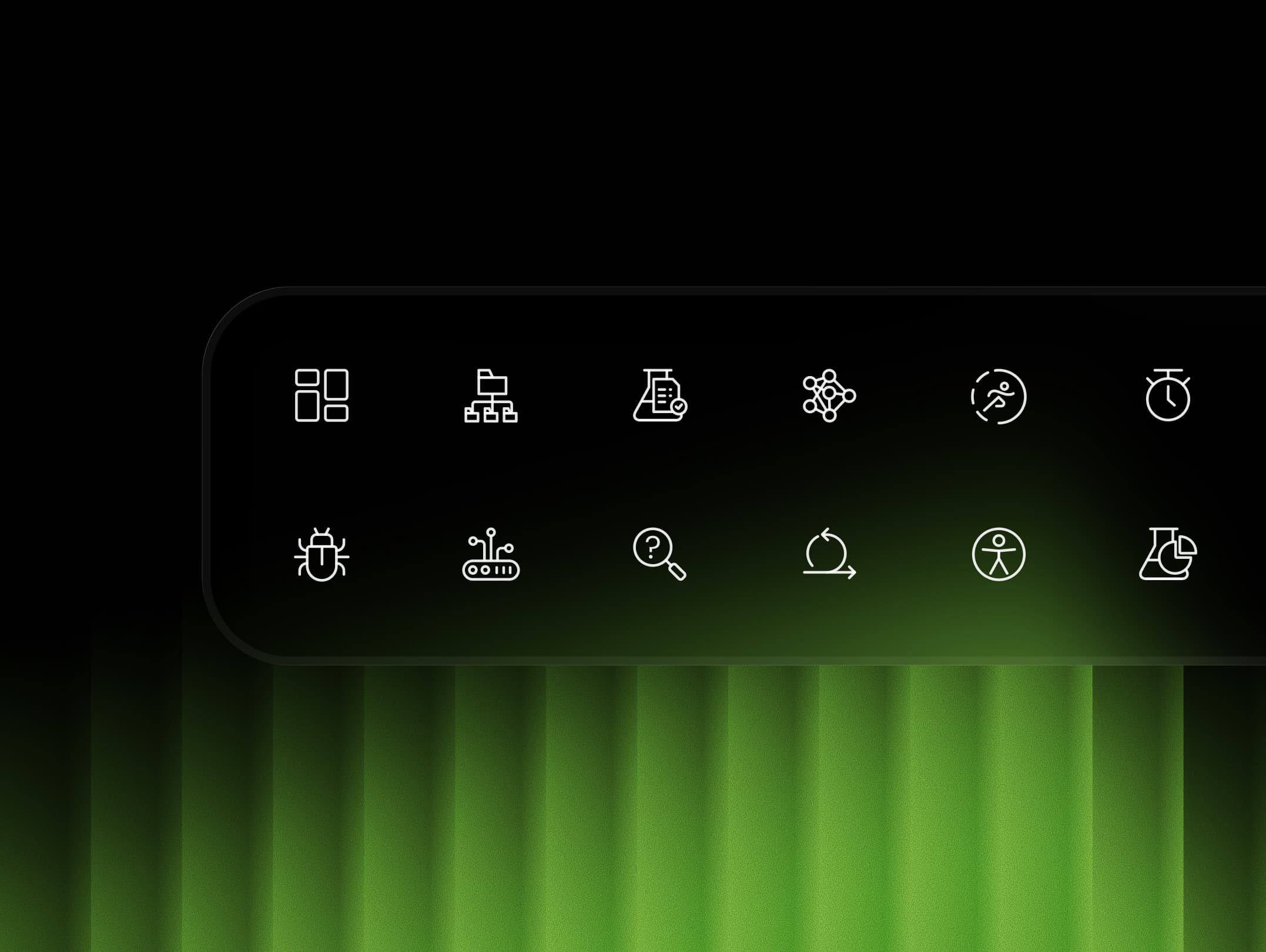

Product Design · Enterprise SaaS
Xitester: Zero to One - Designing a no-code test automation platform from scratch
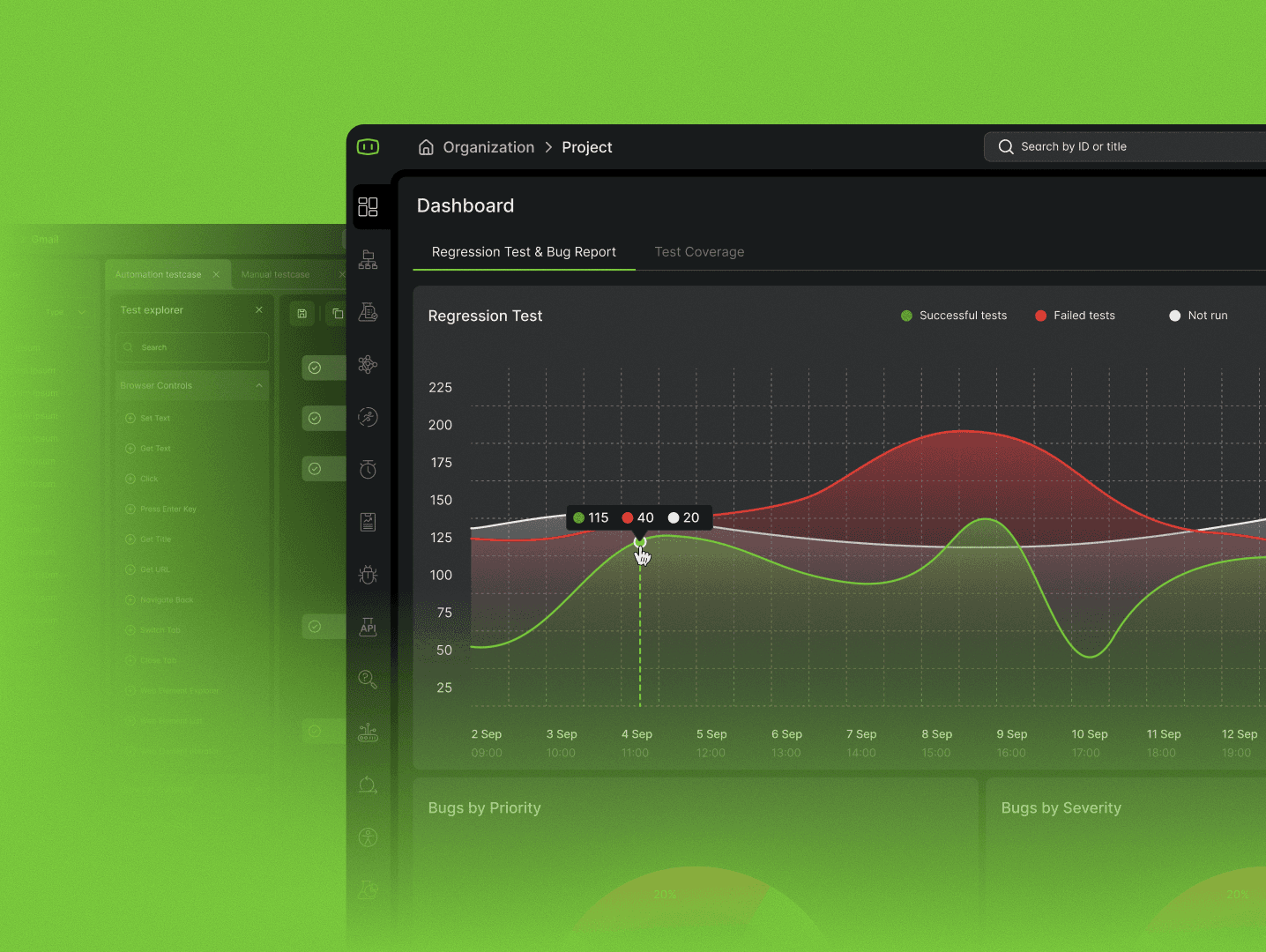
This is the story of a product in two acts. I helped build Xitester from scratch as a no-code testing platform. Then, after a turning point, I led its redesign into something larger: a governance layer for the code that AI now writes. Both acts are below, in the order they happened.
Role: Lead Product Designer
Timeline: Dec 2023 to Dec 2025
Tools: Figma, Claude Code, Cursor, Google AI Studio, Adobe Creative Suite, Storybook, Jira
Disciplines: UX, UI and Visual Design. Interaction and Systems Design. Branding and Identity. UX Research, Wireframing, Prototyping, User Testing.
Leadership: managed and mentored two junior designers.
Act One,
Building Xitester
About
Xitester is a no-code test automation platform built from scratch to make software testing accessible and efficient for users of all technical backgrounds. Its intuitive drag-and-drop interface enabled functional, performance, and API testing without coding expertise.
Key capabilities included distributed parallel test execution across multiple environments, real-time graph-based visualizations of testing progress and results, and cross-platform automation across devices.
As the lead product designer, I shaped the user experience and interface from ideation to implementation, focusing on usability, scalability, and accessibility, to help businesses streamline workflows, reduce testing effort, and accelerate time-to-market.
Overview
Building Xitester from scratch was an enriching and collaborative experience. The process involved continuous brainstorming, whiteboarding, sketching, and back-to-back discussions with the product team, QA engineers, and testers. As the lead product designer, I started with basic low-fidelity wireframes on paper, which later evolved into digital wireframes.
The product management team had a clear vision for Xitester, supported by strong technical research and well-defined feature requirements. This clarity helped streamline the design process despite the product's complexity, as it encompassed multiple modules.
Following an agile methodology, we approached the design iteratively, ensuring each module was thoughtfully planned, designed, and refined. This let us align the design with the team's vision, create user-friendly interfaces, and build a robust no-code test automation platform.
Problem Statement
As someone with no prior experience in the test automation domain, I faced significant challenges in understanding the intricacies of the field. Learning the domain while simultaneously ideating and designing solutions was demanding. Creating a scalable product that could handle the complexities of a no-code test automation platform added to the difficulty, requiring continuous learning, adaptability, and problem-solving throughout the project.
Design Thinking Process
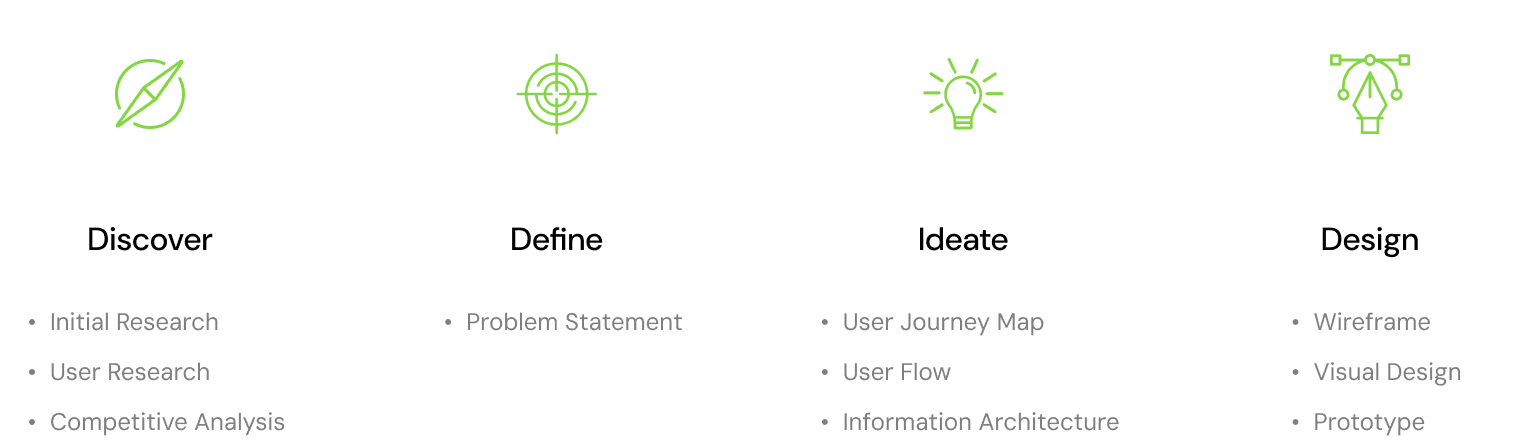
Initial Research
Before diving into design, I dedicated several weeks to understanding the test automation domain and the QA workflow, to gain deep insight into the industry, existing tools, and the challenges QA teams face.
- Learning about test automation. Researched industry trends, frameworks, and common automation tools, and understood how automation fits into the software development lifecycle.
- Competitive analysis. Analyzed existing products to identify strengths, weaknesses, and gaps in the market, comparing features, usability, and accessibility of leading tools.
- Understanding QA workflows. Explored manual, automated, and hybrid testing methodologies, and mapped the daily responsibilities and challenges of QA engineers and testers.
User Research
To build a user-centric product, I conducted in-depth research by engaging directly with QA professionals and developers.
User interviews and one-to-one sessions. Spoke with QA engineers, developers, and junior QAs new to automation, focusing on their pain points, frustrations, and expectations.
Observational research. Analyzed how QA teams interact with existing tools, and identified workarounds and inefficiencies in their workflows.
Key findings:
- Steep learning curve. Many testers, especially juniors, struggled with automation tools.
- Lack of accessibility. Non-technical users found setting up automated tests complex.
- Fragmented workflows. Many teams used multiple, disconnected tools.
- Need for no-code solutions. A clear demand for a simplified, intuitive platform.
Challenges and Market Insights
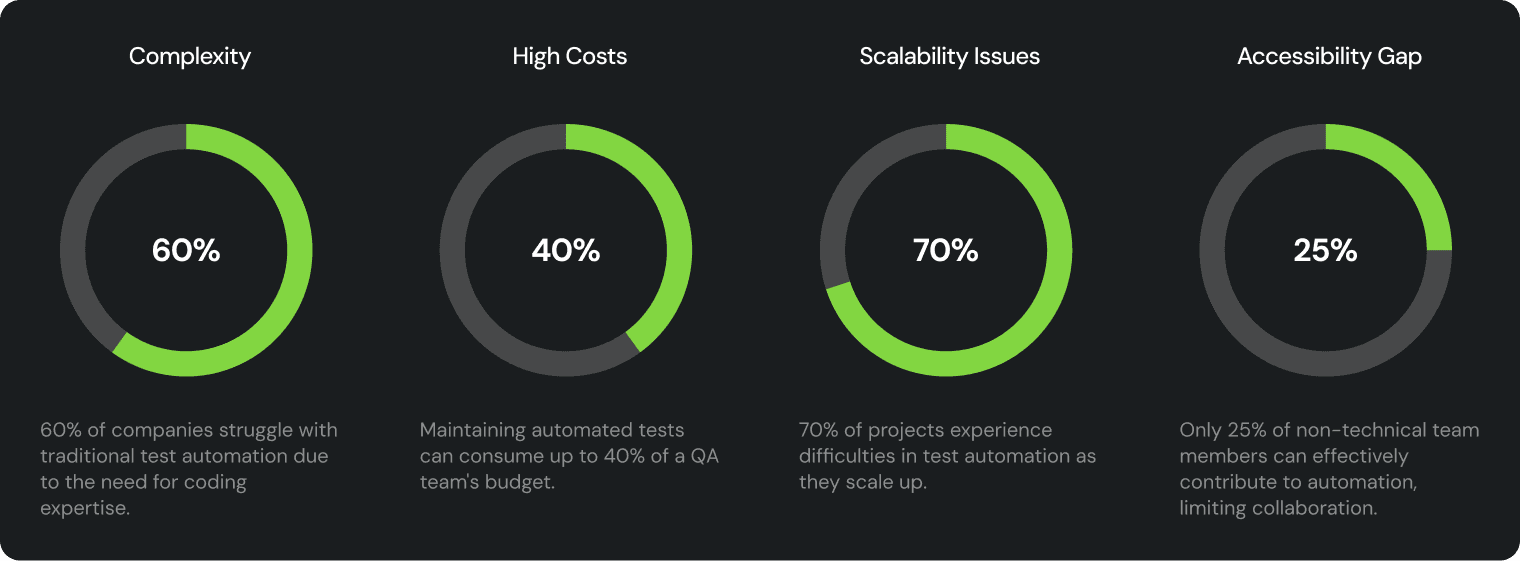
Test automation is complex, costly, and difficult to scale. Sixty percent of companies struggle with traditional automation because of the need for coding expertise. Maintaining automated tests can consume up to forty percent of a QA team's budget. Seventy percent of projects experience difficulty scaling automation. Only twenty-five percent of non-technical team members can effectively contribute, limiting collaboration.
Competition Analysis
Xitester was benchmarked against the leading automation tools across the criteria that mattered most to our users.
| Criteria | Xitester | Katalon Studio | Tosca | Leapwork | LambdaTest | Ranorex |
|---|---|---|---|---|---|---|
| Coding requirement | No coding | Low-coding | Model-based scripting | No coding | Needed for complex scenarios | Needed for automation scripts |
| Accessibility for non-technical users | Fully accessible | Some technical assistance needed | Primarily for technical users | Mostly accessible | Technical knowledge required | Technical knowledge required |
| Setup and learning curve | Minimal | Moderate | Moderate | Minimal | High | High |
| Onboarding assistance | Comprehensive onboarding support | Tutorials and community support | Documentation with enterprise support | Tutorials and customer support | Documentation | Basic documentation, minimal support |
| Testing capabilities | Websites and web apps, mobile and desktop coming | Websites, web, mobile and desktop | Websites, web, mobile and desktop | Websites, web, mobile and desktop | Websites, web and mobile | Websites, web, mobile and desktop |
Feature comparison:
| Feature | Xitester | Katalon | Tosca | Leapwork | LambdaTest | Ranorex |
|---|---|---|---|---|---|---|
| In-browser no-code automation | Yes | Partial | No | Yes | No | No |
| Manual testing | Yes | Yes | Yes | Partial | Partial | Yes |
| Chained API testing | Yes | Yes | Yes | No | No | No |
| Performance testing | Yes | Partial | Yes | No | Yes | No |
| Accessibility testing | Yes | No | No | No | No | No |
| Unlimited parallel execution | Yes | No | No | No | Partial | No |
Data based on publicly accessible official documentation and online forums of each product.
Key takeaways: Xitester stood out as fully no-code, accessible, and efficient, with minimal setup, Testing-as-a-Service, and comprehensive onboarding.
Admin User Flow
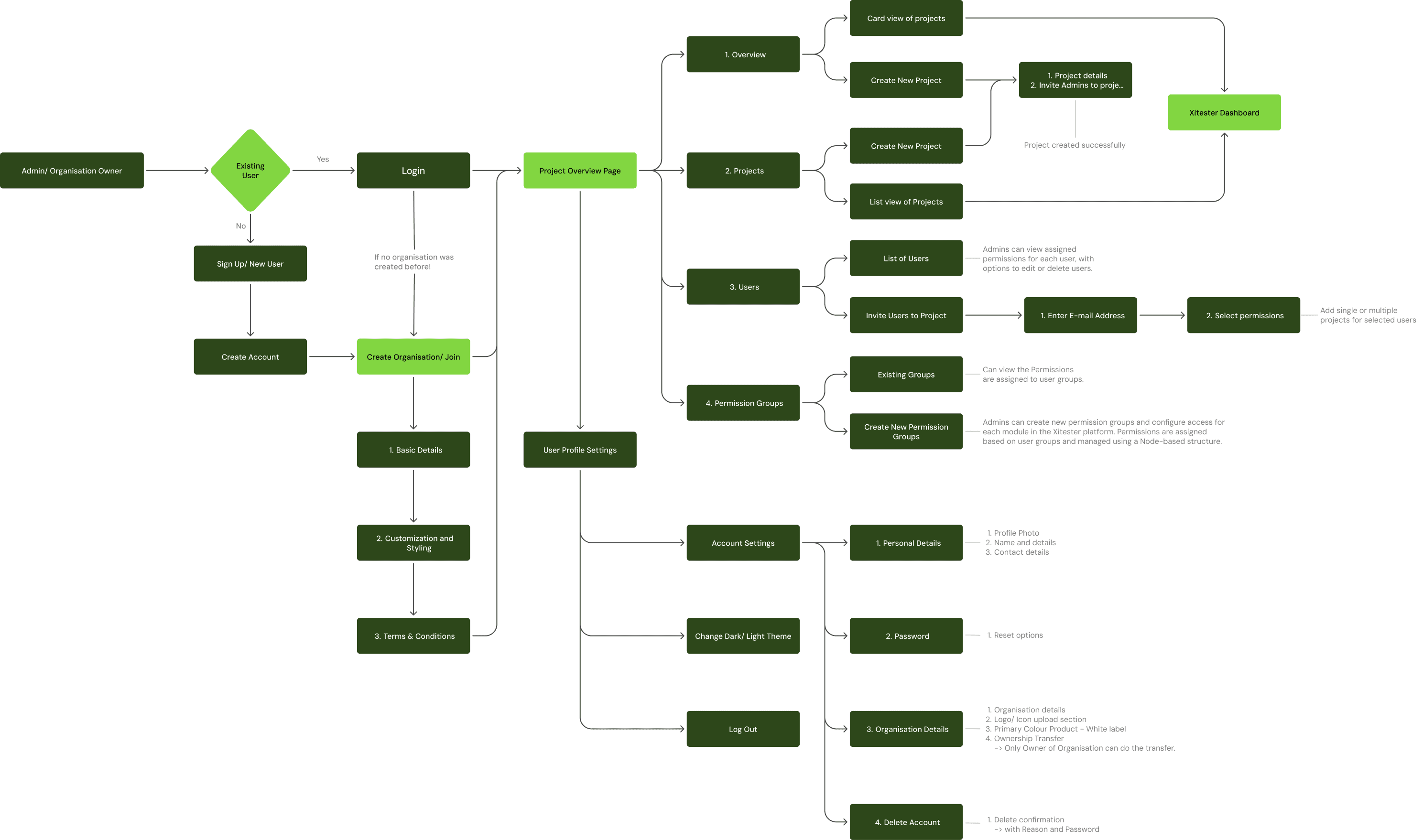
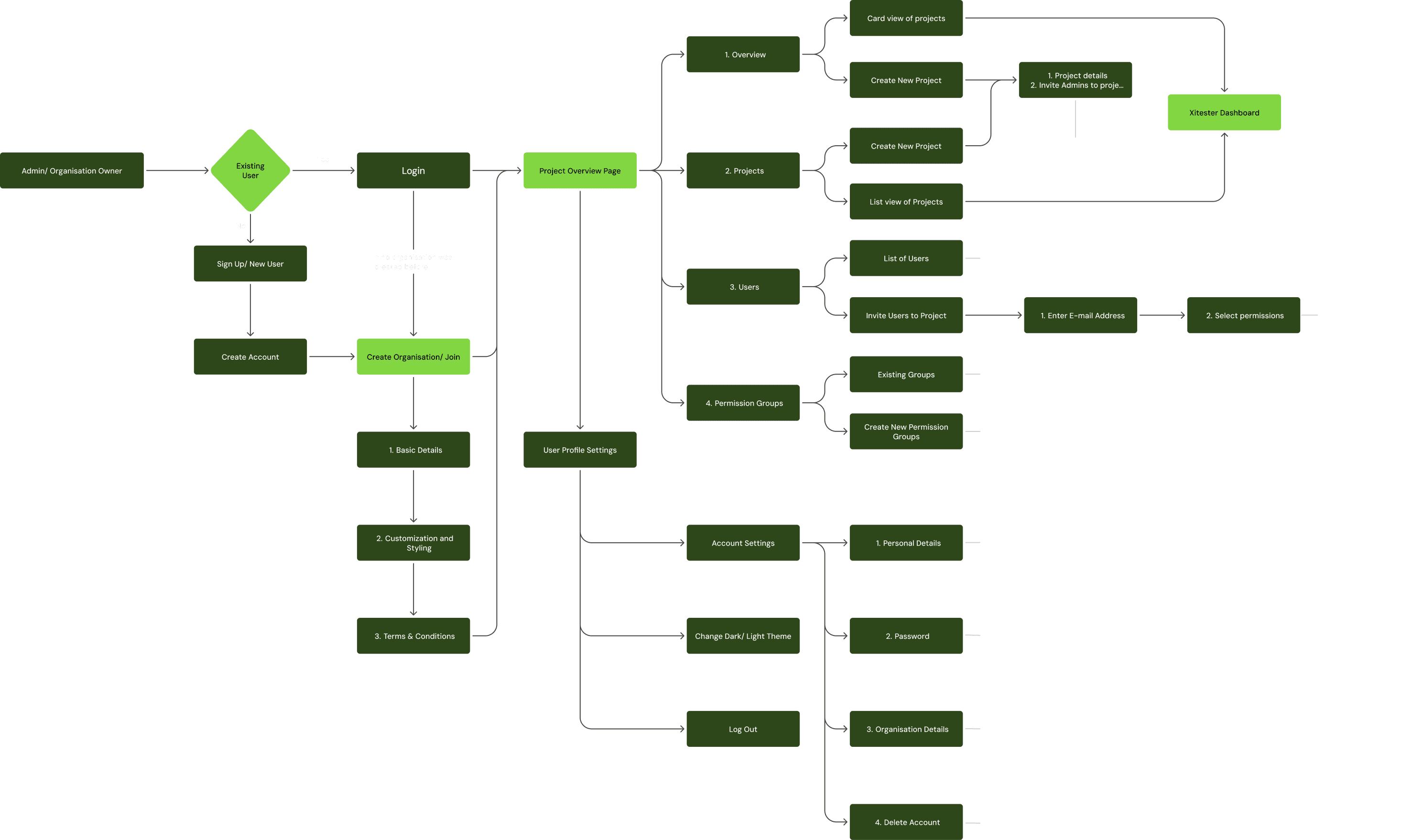
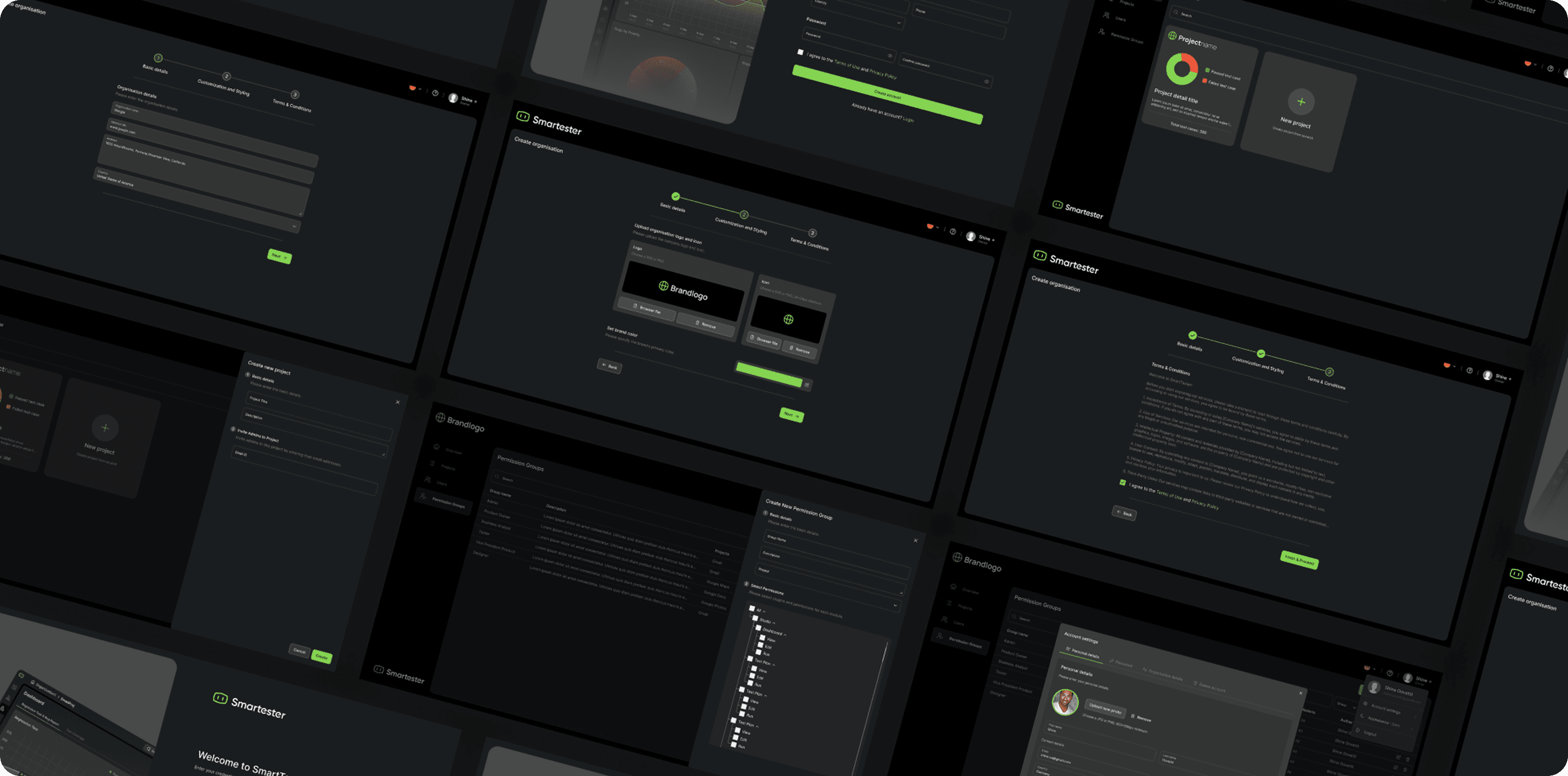
The admin user flow outlines the journey of an organization owner or administrator, from onboarding to managing projects and permissions. It begins with authentication: existing users log in, while new users sign up and create an organization. Inside, admins create and oversee projects, invite users, and assign permissions through structured access control. They can also manage account settings, update organization details, and configure permissions for different user groups, with white-label customization, ownership transfer restricted to the organization owner, and a guarded account-deletion path. The flow ensures efficient project management and secure, role-based access.
Admin Interface Designs
A glimpse into the admin interface, showcasing the key screens that define the administrative experience. These designs highlight the structure, functionality, and aesthetics of the admin panel, ensuring seamless navigation and efficient management.
Wireframing Process
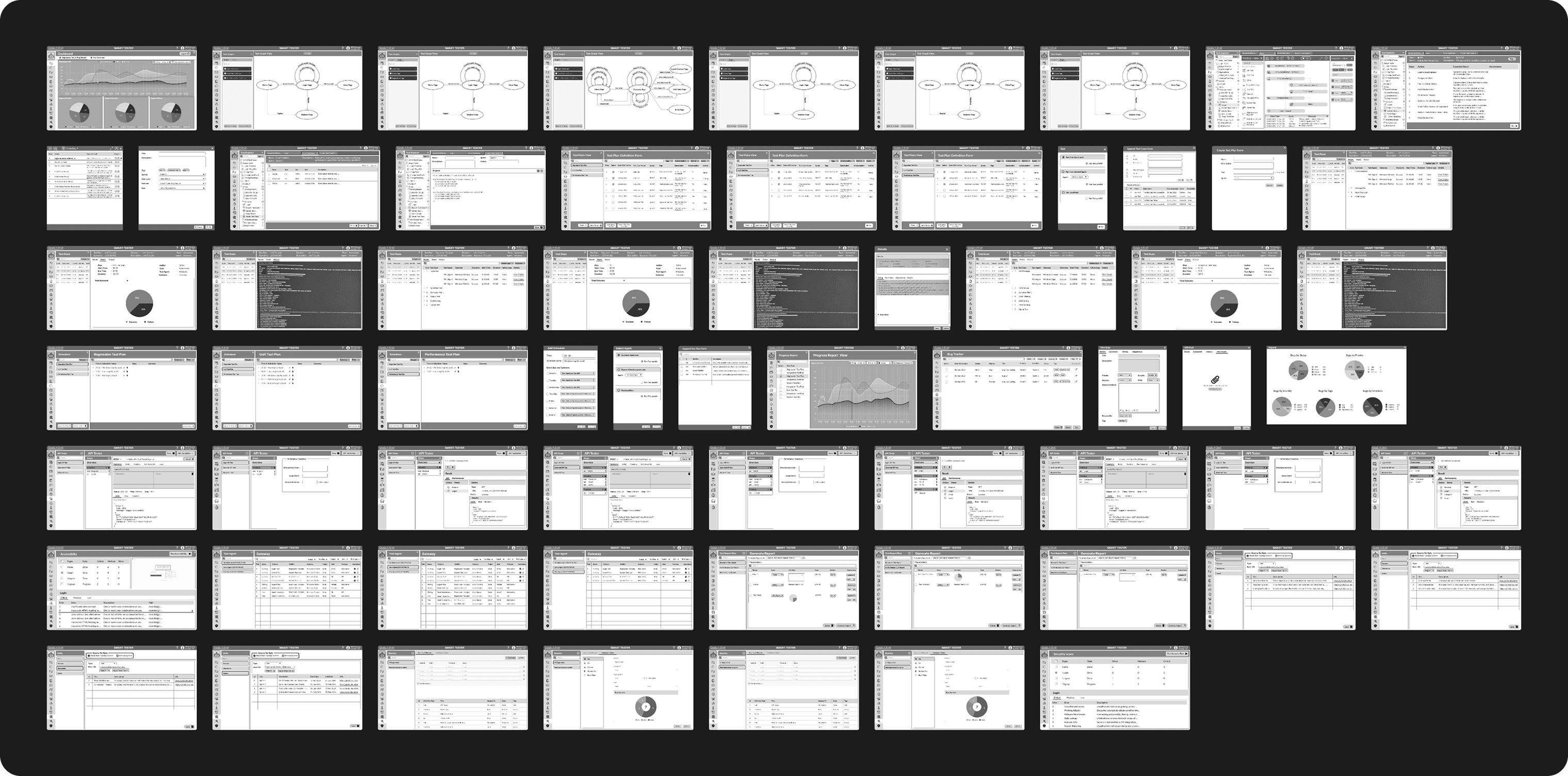
The wireframing process began with sketching ideas on paper, ensuring a clear vision before moving into digital design. Once the sketches were refined with the product team, I shared them with Midhilaj and Ismail, our junior designers, to convert them into low-fidelity wireframes in Figma. Since they were new to the tool and still learning design principles, this became a great opportunity for them to grow.
To strengthen collaboration, I encouraged them to interact directly with the product team for feedback. When they faced challenges they could not resolve, I stepped in to guide them. The focus was not visual polish but ensuring our ideas aligned with the product vision efficiently.
Designing Xitester
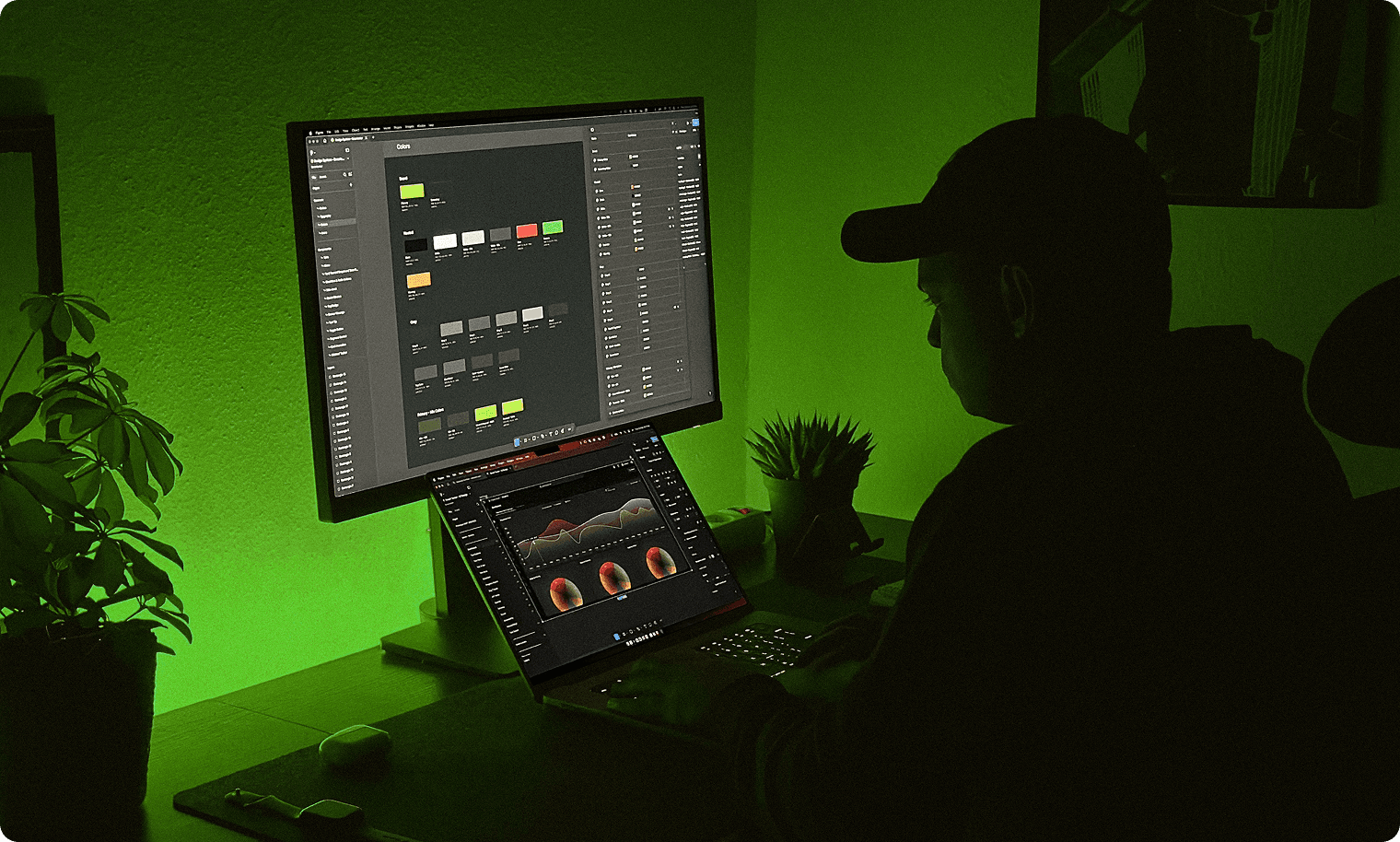
Designing Xitester was a journey of turning ideas into reality. It started with rough sketches, evolved through countless iterations, and shaped into a seamless testing experience. Every decision, from layouts to interactions, was made to keep things intuitive, efficient, and scalable. Collaboration was at the heart of the process, from brainstorming with the product team to refining workflows with real users. The goal was never just to design a tool, but to build a smarter way to test software.
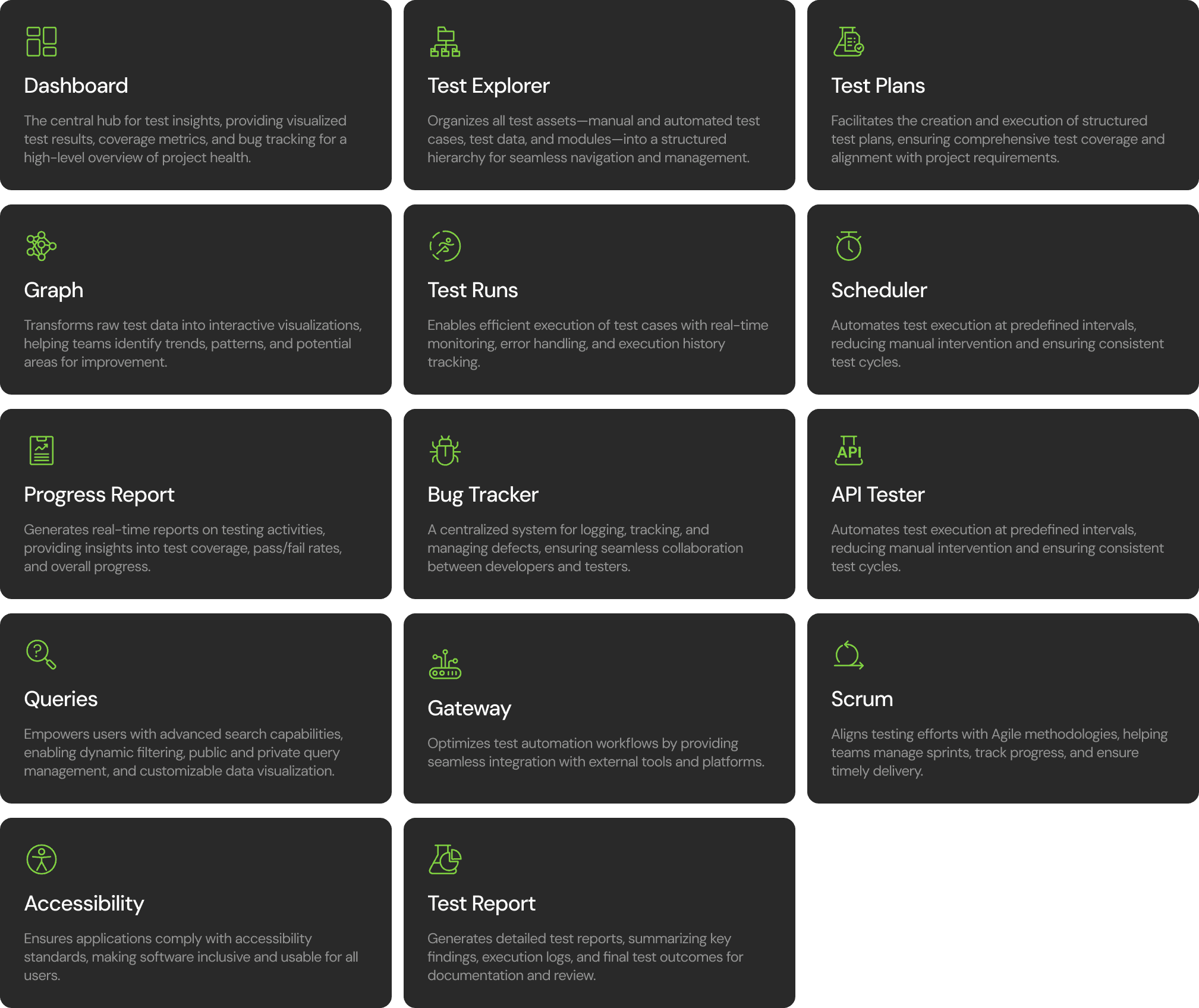
Xitester Test Studio, Comprehensive Modules Overview
Test Studio is organized into fourteen key modules, each serving a distinct purpose across test management, execution, and reporting.
Module Deep Dives
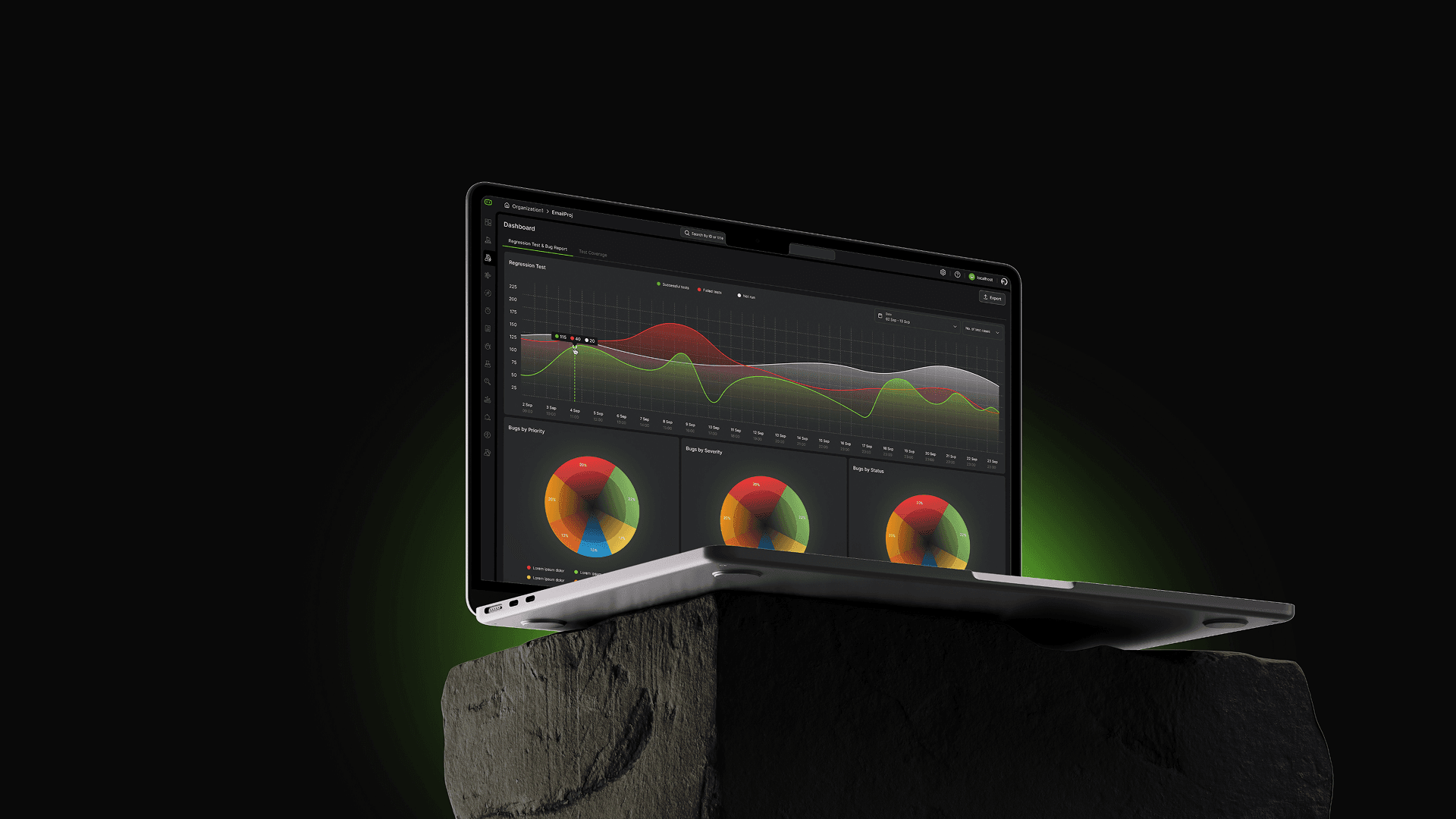
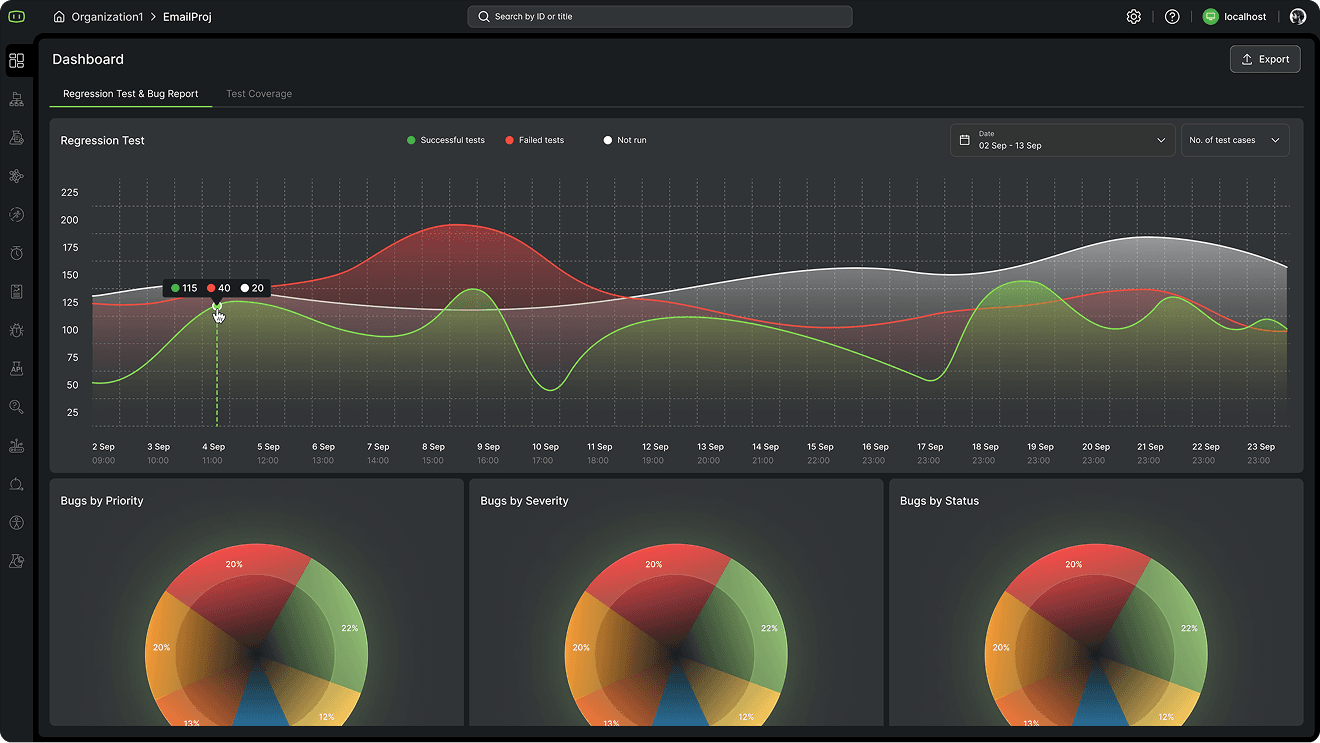
Dashboard, a central hub for testing.
Real-time insight into results, bug tracking, and coverage analytics in a structured, intuitive layout.
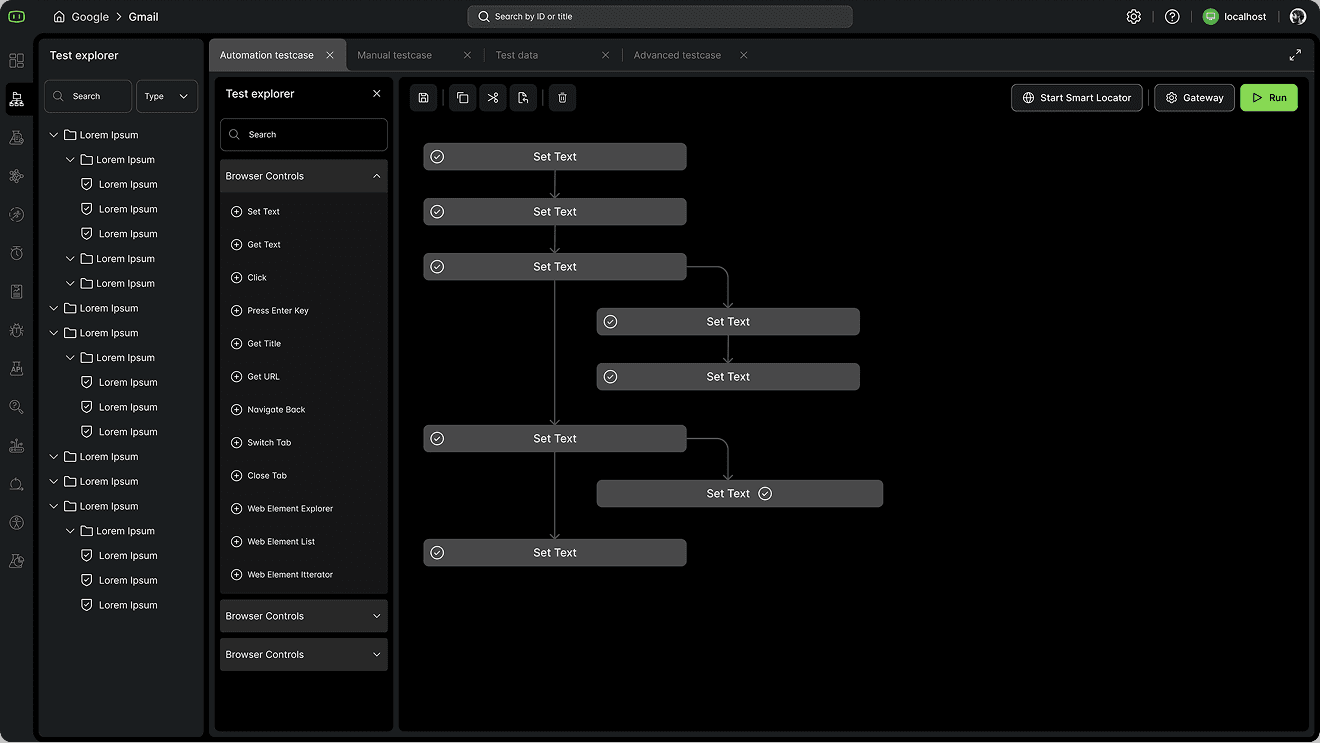
Test Explorer, organize and manage test cases.
A hierarchical way to manage automation and manual cases, test data, and modules.
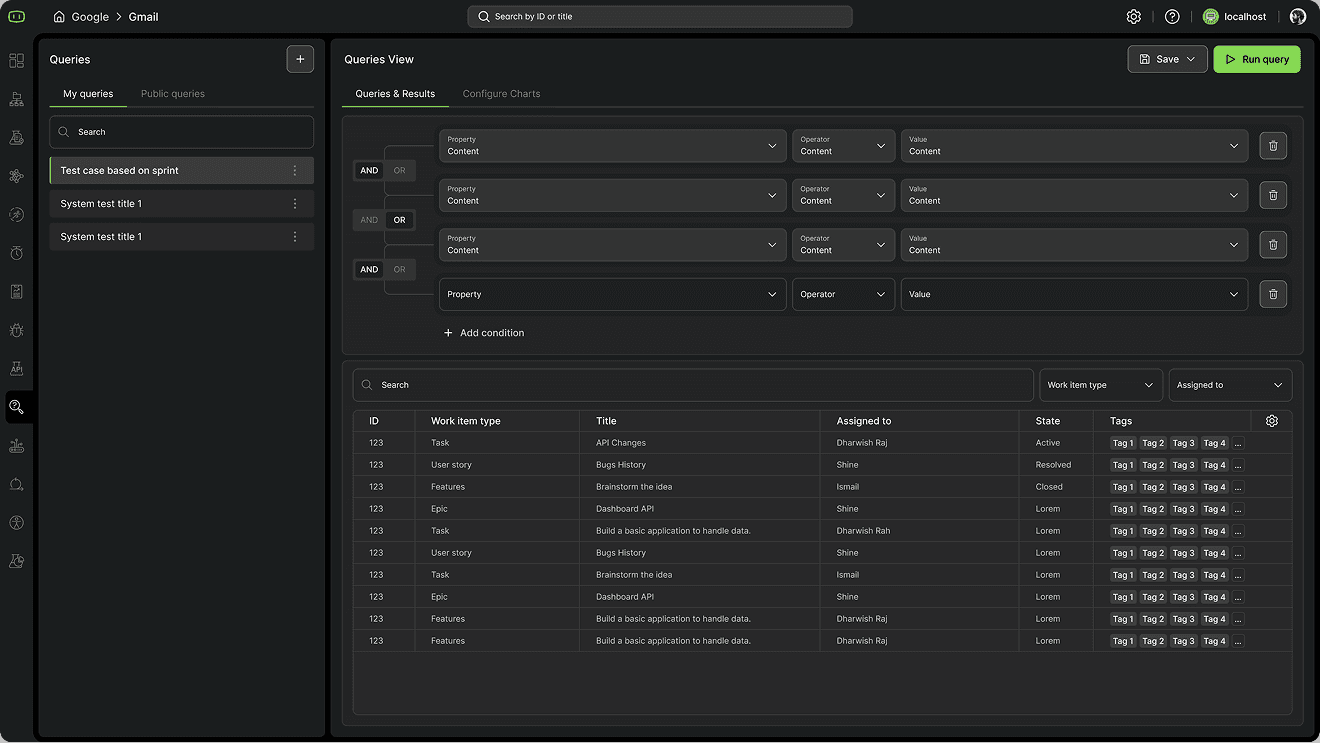
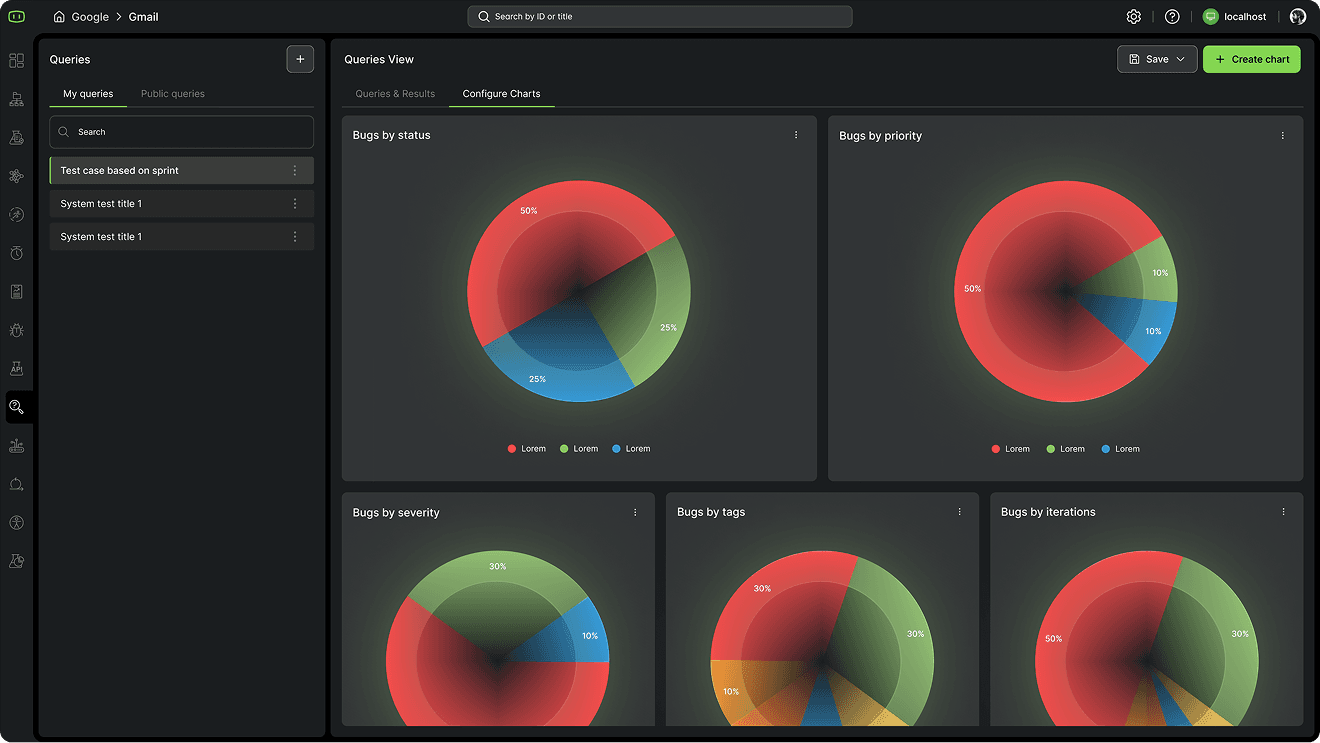
Queries, advanced search and data organization.
Customizable conditions and logical operators, private and public queries, structured results, and visualization.
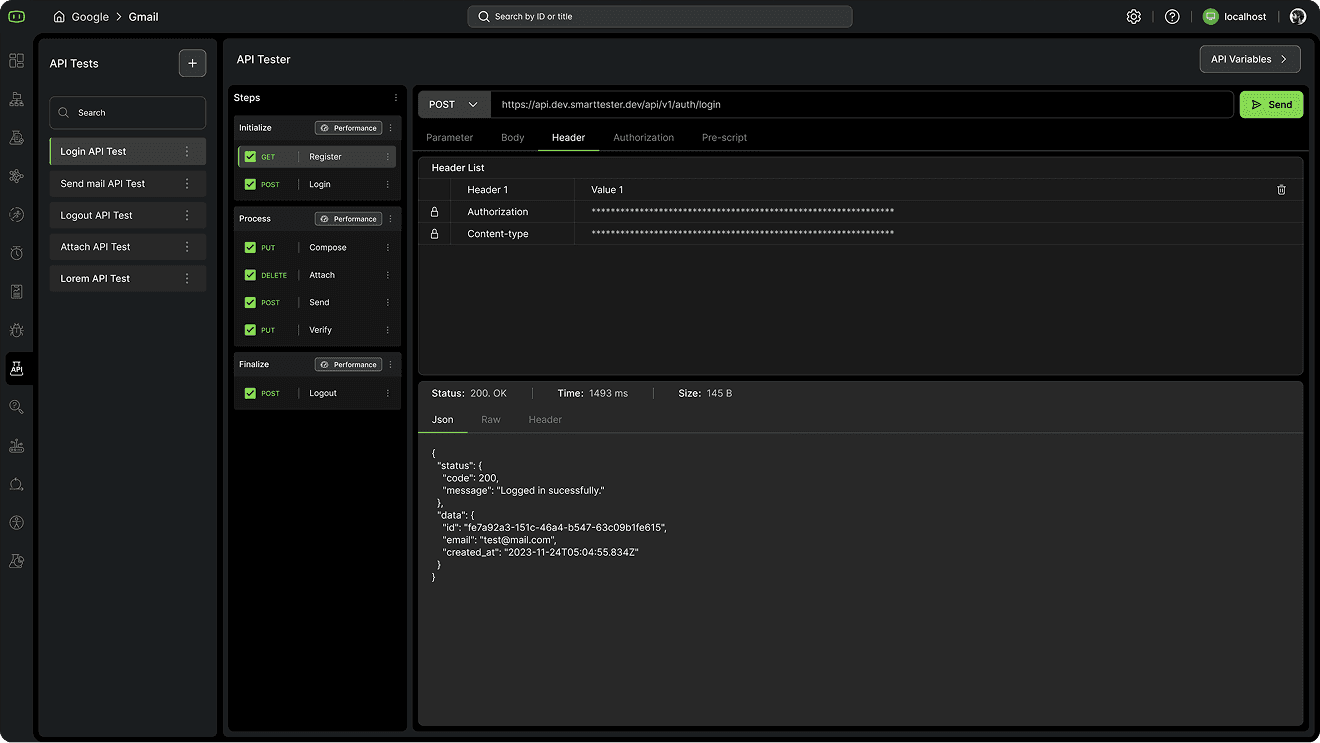
API Tester, streamlined API validation.
Request customization, response analysis, and environment management across development, staging, and production.
The Seed of What Came Next
Even in the first release, we had begun experimenting with AI. We introduced an early AI-based testing feature that let a user describe what to test in plain language and get results without manually setting up cases. At the time it was a glimpse of the future, a small but promising direction in a product otherwise built around no-code workflows.
It would not stay small for long.
The Turning Point, Winning Alchemist

Winning a place in the Alchemist Accelerator marked the turning point for Xitester. With new backing, including support from the European Innovation Council, and a broader mandate, the project's scope expanded well beyond its original goal of making testing easy. The question shifted from "how do we make testing accessible" to "how do we make software trustworthy in a world where machines write the code." The experimental AI feature stopped being a future plan and became the foundation of the product.
Act Two,
Where Xitester Went Next
My hands-on design work lived in Act One. After the Alchemist win, the priority shifted to speed. The team needed a working product in front of investors quickly to raise the next round, so the decision was to push the MVP fast and build much of it with AI tools, rather than run a full design and engineering cycle. My contribution to this act was limited to one thing: ideating phase two, the concept and direction the MVP would chase. I include this act because that idea is where the product went, and the arc matters. I also want to be clear that the build itself was a rapid, AI-assisted effort I was not hands-on for.
The Market Shift
By this point, AI coding tools such as GitHub Copilot, Claude Code, Cursor, Devin, and Amazon Q had become embedded in enterprise development, and a large share of code commits were AI-assisted. Teams could now generate code far faster than their QA, security, and compliance systems could verify it. The question for any enterprise became simple: do you actually know what your AI just shipped.
Phase Two,
The Concept I Helped Ideate
In the conversations that followed the Alchemist win, the team explored a larger role for the product. Rather than being one more no-code testing tool, Xitester could become a governance layer that sits above AI coding tools and verifies their output before it reaches production. I contributed to that ideation: the framing of Xitester as a layer of trust on top of AI-generated code, and the early thinking on how the experimental AI testing feature from our first release could grow into that role.
The core tension we identified was a design problem more than a technical one. The new direction had to carry enterprise weight, compliance, security, audit trails, access control, without losing the speed and near-zero learning curve that made the original approachable. Trust and ease of use had to coexist, not compete. That tension is the through-line connecting the product I built to the product it became.
What the Concept Became
To move at investor speed, the team built the direction out as an MVP, leaning heavily on AI tools to compress what would normally be months of design and engineering into a far shorter cycle.
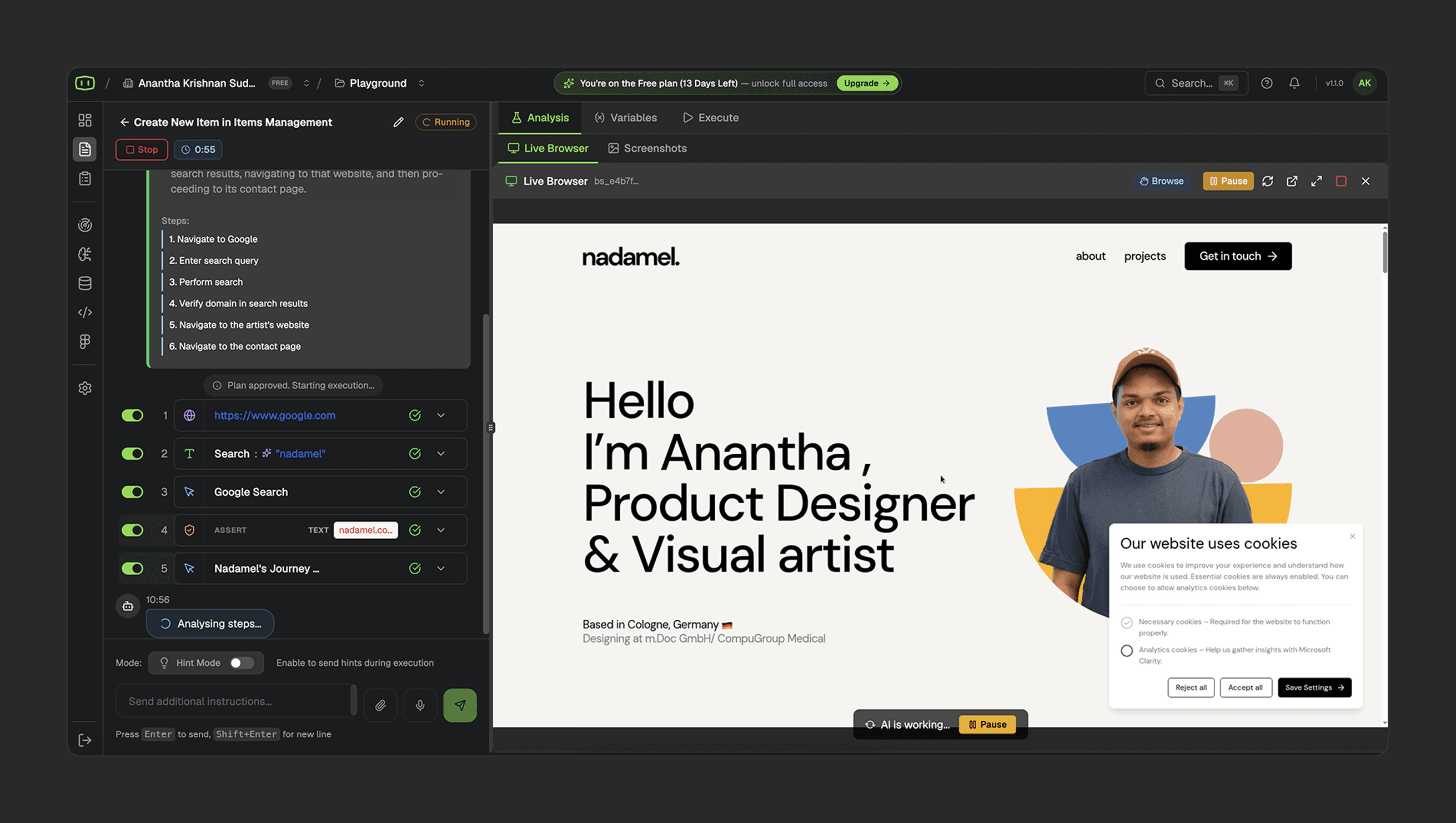
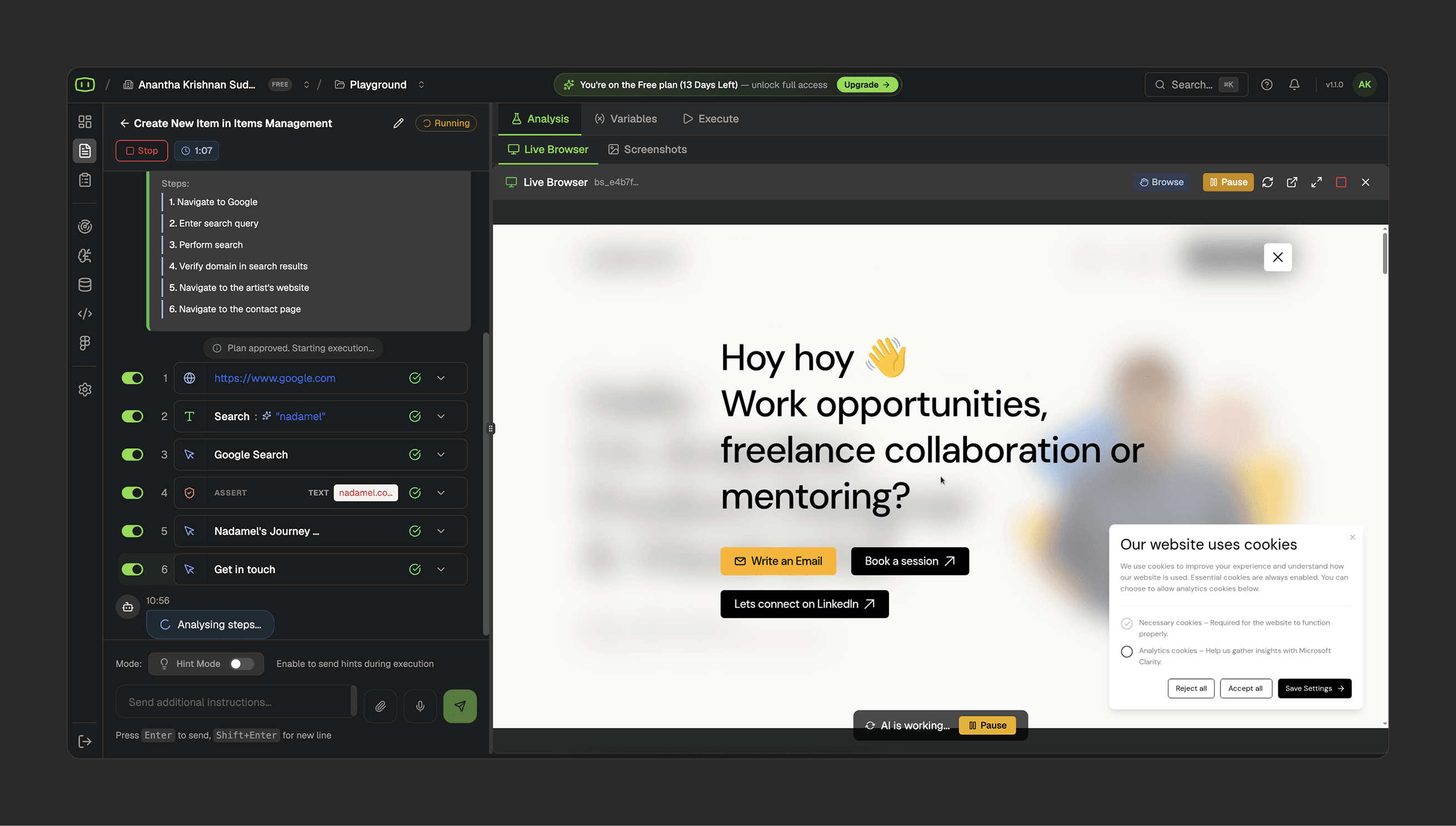
Today Xitester offers a prompt-based test builder that turns plain-language scenarios into running tests, autonomous detection that maps an application and decides what to test, and self-healing tests that repair themselves when the interface changes. It pairs these with a visual API workflow editor and Figma-to-web testing. On the enterprise side, the platform now carries SOC 2 Type II compliance, on-premise Docker deployment, SSO and SAML, audit logs, role-based access, and data sovereignty, the governance surfaces that turn the original idea into something an enterprise can actually trust.
Prompt-based testing demo — live application screenshots
Where the Direction Has Led
The concept has proven out commercially. The product now reports seven or more enterprise customers and over one hundred active users, enterprise pilots at Siemens and Merck, sixty percent faster release cycles, seventy-five percent fewer broken tests per sprint, and four times more test coverage in those pilots, with one hundred percent customer retention. It was selected in the top five of twenty-five vendors in a California State Government RFP, is backed by the Alchemist Accelerator and the European Innovation Council, and now operates across three continents, with engineering in India, research and development in Germany, and go-to-market in San Francisco.

Reflection
I am proud of how far this has come. Building Xitester meant starting from nothing, no domain knowledge, a blank page, and turning it into a real product. That part was genuinely zero to one, and it was mine. I felt every step of it.
Today the product is valued at around 8 million euros. In the wider tech world that may sound small, but I do not measure it that way. I measure it against the empty page I started from. To have built something from scratch, to see it backed by the Alchemist Accelerator, and to watch it grow into a direction I helped imagine and then climb beyond my own part in it, is a feeling I am still grateful for. It is going to greater heights now, and a piece of its foundation is mine.
Thank You
Thank you for taking the time to explore my work on Xitester. Building the original platform, and helping imagine the direction it later took, has been about innovation, problem-solving, and teamwork. If you have feedback or thoughts, I would love to connect.